
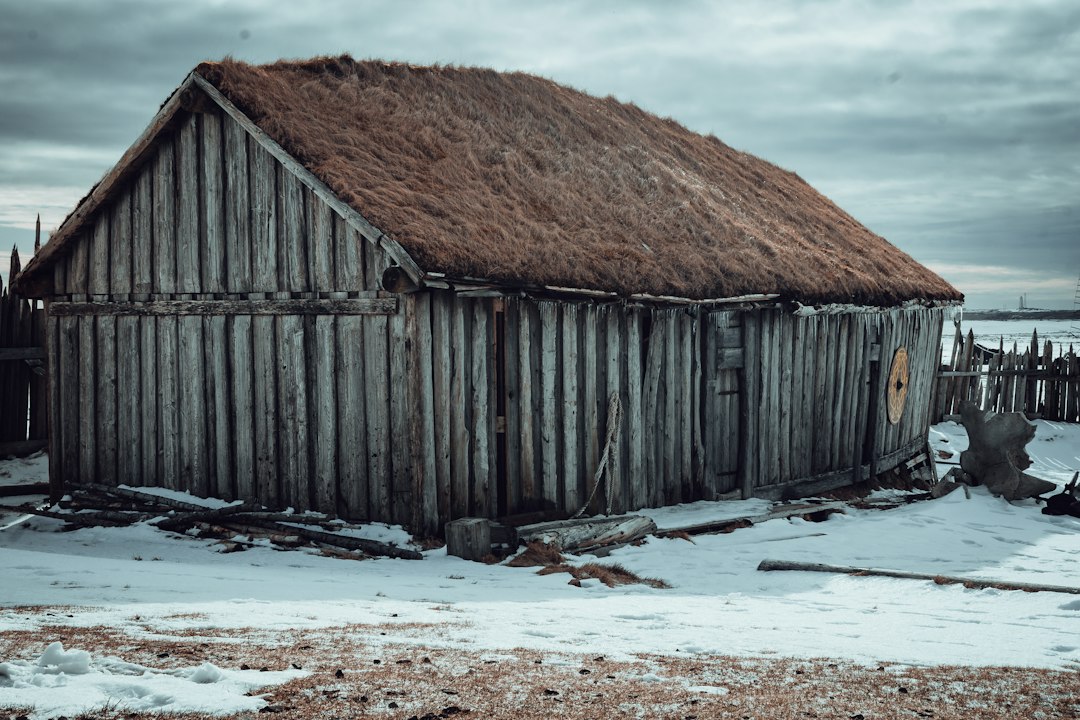
Scandinavia, comprising denmark, Norway, and Sweden, has a **rich history** that stretches back thousands of years. Its roots intertwine with the stories of the Vikings, royal dynasties, and cultural transformations that shaped modern society. This comprehensive article will take you through the epochs that have defined the Scandinavian landscape.
The Viking Age: An Era of Exploration
The Viking Age, which spanned from approximately **800 to 1066 AD**, marked a significant chapter in Scandinavian history. During this time, Norse warriors, traders, and explorers expanded their territory far beyond the fjords.
Key Features of the Viking Age
- Seafaring Skills: The Vikings were not just warriors; they were exceptional navigators. Their longships enabled them to explore distant lands from North America to the steppes of Russia.
- Trade Networks: Viking trade routes spread across Europe and into Asia. They established connections that helped in the exchange of goods, culture, and ideas.
- Cultural Impact: Norse mythology and sagas of mighty gods and heroic figures influenced literature and art in Europe.
The Formation of Political Entities
As the Viking Age waned, the **political landscape of Scandinavia** began to solidify into distinct kingdoms. Denmark, Norway, and Sweden emerged as centralized powers, navigating both internal challenges and external threats.
Unions and Rivalries
The **Kalmar Union** in the late 14th century sought to unify the three kingdoms under a single monarch. However, this alliance was marred by conflicts and power struggles.
Renaissance and Reformation: Cultural and Religious Shifts
As Europe entered the Renaissance period in the 16th century, Scandinavia experienced significant **cultural and religious shifts**. The Protestant Reformation led to substantial changes in societal structure and beliefs.
Key Changes During the Renaissance
- Emphasis on Humanism: The revival of classical learning influenced art, science, and philosophy across the region.
- Religious Transformation: The move towards Protestantism led to the decline of Catholic influence and reshaped religious practices.
- Art and Literature: New artistic expressions emerged, leading to a flourishing of literature and arts that were distinctively Scandinavian.
The Modern Era: Political Evolution and Social Change
The **19th and 20th centuries** brought profound changes to Scandinavian society. The rise of nationalism led to the independence of various states and significant social reform.
Key Events in the Modern Era
- Independence Movements: Norway gained independence from Sweden in 1905, while Finland declared independence from Russia in 1917.
- World Wars Impact: The World Wars tested national integrity and cooperation within Scandinavia, leading to a stronger commitment to peace.
- Welfare State Development: Post-war, countries like Sweden established comprehensive welfare systems that have become models for social equity.
Today, the influence of Scandinavia can’t be overstated. From **design and architecture** to literature and cuisine, the region’s cultural exports enrich global society. The culinary scene, as showcased by establishments like Den Gyldne Okse, blends tradition with modern techniques, showcasing the best of Scandinavian flavors.
Modern Cultural Significance
- Design and Architecture: Iconic Scandinavian design principles emphasize simplicity, functionality, and sustainability.
- Literary Contributions: Renowned authors like Hans Christian Andersen and contemporary writers continue to influence literature worldwide.
- Social Models: Scandinavian countries are often studied for their progressive social policies and quality of life.
Conclusion: A Dynamic Legacy
Scandinavia’s history is a dynamic tapestry woven from **viking valor**, political strife, and cultural renaissance. Understanding this heritage opens a window into the identity of modern Scandinavian societies, which continue to thrive and evolve.
For those interested in exploring more facets of Nordic history and culture, further reading can provide insights into how these nations have shaped, and continue to shape, the world.
For an interactive approach, consider exploring the following resource: Scandinavian history timelines.