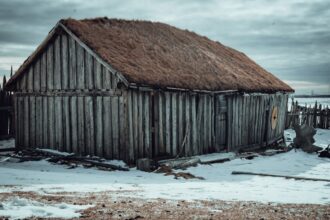

Scandinavia, often romanticized for its stunning landscapes and unique culture, has a history as diverse and intricate as its geography. This region, comprising Denmark, Norway, and Sweden, has been a cradle of civilizations, battles, treaties, and groundbreaking discoveries.
The Viking Era: A Dominant Force
No history of Scandinavia would be complete without the mention of the Vikings. From the late 8th to the early 11th century, these Norse seafarers expanded their territories across Europe, influencing trade and culture.
The Legacy of Viking Explorations
- Trade Networks: Vikings established extensive trade routes connecting Asia, Europe, and beyond.
- Cultural Exchange: The interactions between Vikings and other cultures led to significant exchanges in art, language, and technology.
- Settlement: Vikings settled in Greenland, Iceland, and even reached North America, marking their exploration prowess.
Battles and Conquests
The period was marked by numerous battles that reshaped the map of Scandinavia. Each conquest and settlement created new dynamics:
- Land Claims: The Vikings fought for control over key territories, establishing clan rule.
- Raids: Their infamous raids targeted monasteries and coastal regions, creating fear and sparking defensive measures.
The Formation of Modern States
As the Viking Age waned, the **formation of modern states** took the stage. By the late Middle Ages, each Scandinavian country began developing its political identity.
Denmark’s Central Role
Denmark played a pivotal role in unifying Scandinavia. The Kingdom of Denmark emerged as a significant power, especially under King Harald Bluetooth, who was instrumental in the Christianization of the region.
For those interested in more details, check out all you need to know about Denmark.
Sweden and Norway: Striving for Independence
While Denmark was expanding, Sweden and Norway sought their independence. The Kalmar Union, which united the three kingdoms under a single monarch, was a significant historical milestone. However, internal strife and external pressures led to its dissolution.
The 19th century heralded a cultural renaissance across Scandinavia, where literature, art, and philosophy flourished. Figures like Hans Christian Andersen and Henrik Ibsen emerged, putting the region on the global cultural map.
Influence of the Arts
The connection between cultural identity and the arts is evident: Scandinavian literature was heavily influenced by Norse mythology and folklore, which still permeate the works of contemporary writers.
The Impact of World Wars
The 20th century was marked by two world wars that deeply affected Scandinavia. Though geographically distant from the main events, the repercussions were felt across the region.
Neutrality in Conflict
Scandinavian countries maintained a stance of neutrality during both wars. This approach allowed them to preserve their sovereignty and avoid the devastation faced by their European neighbors.
Post-War Transformation
Following the wars, Scandinavia underwent significant political and economic transformations, leading to the establishment of welfare states that prioritized social equity and well-being.
Conclusion: The Tapestry of Today
Today, Scandinavia is seen as a beacon of progressive values and a testament to resilience. Its rich history has paved the way for modern democracy, strong economies, and societal fairness.
As we explore the historical tapestry of Scandinavia, it’s crucial to appreciate how each thread, woven meticulously through time, has contributed to the society we see today. For an enhanced perspective on global history, visit Exploring the Historical Tapestry of Our World.