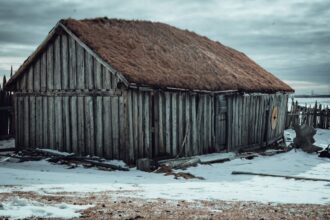

Scandinavian history is a fascinating journey that stretches back thousands of years. The earliest known inhabitants were hunter-gatherers, who roamed the region’s rugged landscapes around 12,000 years ago. As conditions improved after the last Ice Age, these early settlers began to establish more permanent communities.
The Stone Age
During the Stone Age, people in Scandinavia developed tools and techniques that laid the foundation for future societies. They crafted flint tools and began to farm, leading to the establishment of sedentary communities. The introduction of agriculture marked a significant change in the way people lived and interacted.
The Viking Age: A Turning Point
Perhaps the most iconic period in Scandinavian history is the Viking Age, which lasted from about 793 to 1066 AD. Vikings were not just raiders; they were explorers, traders, and settlers who left an indelible mark on much of Europe.
The Viking Expansion
- **Trade**: Vikings established extensive trade routes connecting Europe, Asia, and North America.
- **Exploration**: They discovered and settled knowledge of lands such as Greenland and even parts of North America, long before Columbus.
- **Settlement**: Many Vikings settled down, giving rise to new medieval societies in the areas they explored.
These voyages have influenced many aspects of modern society, including language. For a deeper dive into how the myriad Scandinavian languages evolved, explore their shared heritage.
Cultural Developments During Medieval Times
The aftermath of the Viking Age saw a significant cultural transformation. The establishment of kingdoms like Denmark, Norway, and Sweden ushered in a feudal system that heavily influenced governance and society.
Religious Changes
With the conversion to Christianity, which began around the 10th century, Scandinavian societies underwent dramatic shifts. Pagan practices were slowly replaced by Christian traditions, which had a profound effect on social and cultural dynamics.
Art and Literature
This period also witnessed a flourish in artistic expression. Norse sagas, weaving together history and mythology, were recorded in manuscripts, serving as a rich tapestry of cultural identity. The architecture of the time featured wooden stave churches and intricate carvings, showcasing the artistic prowess of the Scandinavians.
By the late Middle Ages, the kingdoms of Denmark, Norway, and Sweden began to explore the idea of political unification. The Kalmar Union, established in 1397, attempted to unite the three kingdoms under a single monarch.
The Legacy of the Kalmar Union
The union faced numerous challenges, including regional disputes and external pressures, leading to its eventual dissolution in the early 16th century. Nevertheless, it set the stage for future cooperation and cultural exchange. The shared heritage from this period continues to inspire a sense of unity among the Nordic countries.
The 19th century marked a significant turning point as countries began to emerge from centuries of warfare and union politics. Nationalism became a prominent force, fueling movements for independence and cultural revival.
Industrialization and Its Effects
With industrialization came rapid changes in society. Urbanization, technological advancement, and the quest for resources transformed the landscape of Scandinavia. Education systems were revamped, improving literacy rates and fostering a culture of innovation.
The 20th Century: A Modern Era
Scandinavia embraced democracy and paved the way for progressive policies focused on social welfare. Countries like Sweden and Norway became global examples of successful social democracies.
Conclusion: Understanding Our Heritage
The history of Scandinavia is rich and complex, reflecting the diverse experiences and transformations of its people. From the early hunter-gatherers to the powerful Viking lords, every era has contributed to the unique cultural landscape we witness today.
As the world continues to change, understanding Scandinavian history is imperative for appreciating its ongoing influence on modern society, from language to cultural practices. For those interested in the fascinating evolution of Viking appearances and attire, visit Viking Hairstyles for an intriguing exploration.