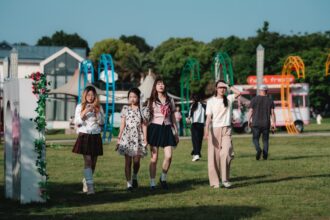

Moving to a new country is both exciting and daunting, especially for foreign students. Scandinavia, known for its stunning landscapes, rich history, and progressive societies, offers unique real-life experiences that shape the lives of those who come here to study. This article explores the personal anecdotes, challenges, and triumphs of students who have embraced their educational journey in this beautiful region.
Finding a Home Away from Home
The Search for Accommodation
One of the first challenges faced by foreign students is finding suitable housing. In cities like Copenhagen, Oslo, and Stockholm, the housing market can be competitive. Many students opt for student housing, which often includes shared facilities, fostering a sense of community.
Some quick tips for navigating the housing search include:
- Start your search early, ideally several months in advance.
- Utilize local classifieds and websites dedicated to student accommodation.
- Connect with fellow students through social media or university groups.
Immersing in the Culture
Once settled, students often find themselves enamored with the Scandinavian lifestyle. Celebrating traditional festivals, enjoying local cuisine, and participating in community activities provide enriching learning opportunities. Local students are generally welcoming, making it easier to bond over shared interests.
For those interested in a more comprehensive experience, consider reading about Moving to and Staying in Denmark as a Foreign Student, which dives into cultural adjustments and local practices.
Education System: Learning with a Nordic Twist
Classroom Dynamics
Education in Scandinavia often emphasizes collaboration and critical thinking. Classes may include group projects and discussions rather than traditional lectures, allowing students to engage with one another and develop relationships. Teachers often act more as facilitators than traditional authorities, which helps foster a more relaxed atmosphere.
Intellectual Freedom
The Scandinavian education system encourages students to pursue intellectual freedom and creativity. Students are not just taught to absorb information; they are encouraged to question and explore their subjects deeply. Many students appreciate this shift from rote learning.
Language Barrier
While many people in Scandinavia speak English, the language barrier can still pose a challenge, particularly in rural areas. Students often find themselves navigating a mix of English and the local language in day-to-day situations. Many universities offer language courses for non-native speakers, which can help significantly.
Adapting to Weather and Lifestyle
The Nordic climate can be a shock, especially during the harsh winter months. Students adapt by:
- Investing in high-quality winter clothing.
- Finding indoor interests, like joining local clubs or visiting museums.
- Planning social events that keep spirits high during the long, dark days.
Building Lifelong Connections
Networking Opportunities
Through university programs and social events, foreign students have the opportunity to build lasting connections. Many universities host networking events that allow students to meet local professionals in various fields, opening doors for future employment.
Joining Clubs and Organizations
Participating in student organizations helps foster friendships and integrate foreign students into the local culture. Whether it’s a foodie club, sports team, or cultural group, these avenues provide students with a sense of belonging in a foreign land.
For many foreign students, studying in Scandinavia is a transformative experience filled with both challenges and rewards. The friendships made, lessons learned, and personal growth achieved contribute to lasting memories and skills that will aid in future endeavors.
As you embark on your own journey in Scandinavia, remember to embrace each moment. Seek out new experiences, immerse yourself in the local environment, and don’t hesitate to explore further resources on SEO unikt innhold for guidance on navigating this enriching adventure.