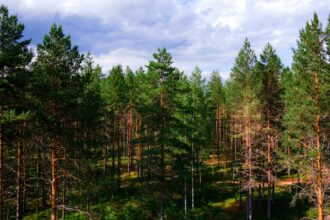

Welcome to Finland: a clear, practical road map for expats
Finland offers a high standard of living, reliable public services and a compact, nature-rich lifestyle that many expatriates find attractive. This guide gathers the practical steps, cultural context and survival tips you need to arrive prepared and begin settling in with confidence.
Before you go: planning & logistics
Good planning reduces stress. Book sensible flights, prepare documents, and learn a few local basics before arrival. For ideas to make long international journeys easier, check these tips for long flights.
Paperwork and visas
Most non-EU citizens need a residence permit for work, family reunification, studies or long-term stays. EU/EEA nationals register with local authorities. For hands-on advice on practical relocation steps aimed at newcomers, see resources focused on moving to Finland for expats—they offer useful checklists about permits and payroll onboarding that many new arrivals miss.
Arrival checklist: first 30 days
- Register your address at the local registry (maistraatti/TC municipal service point).
- Apply for a personal identity number if you qualify—this unlocks banking, healthcare and employment.
- Open a Finnish bank account and get online banking set up.
- Find temporary housing and start searching for longer-term rentals.
- Enroll in the local healthcare system or private insurance while waiting for national coverage.
Practical tip: paperwork order
Get your personal identity number and bank account early. Many employers and landlords require these. Your employer often helps with payroll and tax registration, so ask for HR support if available.
Money, banking and credit cards
Finland’s banking scene is modern: online banking is common, contactless payments are the norm and many people use card or mobile pay rather than cash. If you want an in-depth primer on card options and how they work for residents, read this concise guide on Credit cards in Finland—it explains domestic card types, acceptance, and useful features for expats.
Opening an account
- Choose a major Finnish bank (OP, Nordea, Danske, S-Bank) and bring ID, proof of address and your Finnish personal identity number if you have one.
- Set up online & mobile banking and enable instant payments — Finland uses fast local payment rails.
Housing: renting and settling into a Finnish home
Rental markets vary between Helsinki, Tampere, Turku and smaller towns. Expect competitive rental listings in central Helsinki; broaden your search radius and consider well-connected suburbs. Learn key local customs: heating is typically central, apartments are often unfurnished, and notice periods are standardized.
Finding the right neighbourhood
- Prioritize public transport access if you don’t plan to drive.
- Check proximity to services (grocery, daycare, health centre) — Finland places a premium on everyday convenience.
Healthcare, insurance and wellbeing
Once registered, you’ll access public healthcare (Kela services) and local health centres. While public care is solid, many expats opt for private insurance early on to avoid wait times and get English-speaking providers. If you have children, explore child healthcare pathways early — immunizations and pediatric checkups are well organised.
Work, taxes and getting paid
Employment contracts are usually straightforward but important to read carefully: they include probation periods and details on holiday accrual. Taxes are progressive and filing is transparent; employers usually withhold taxes. If you freelance or get contracted, make sure your tax status is clear and register accordingly.
Transport and travel: moving, mobility and flights
Finland is well-connected by air and rail. For long-haul connections from Helsinki you’ll often find direct or one-stop flights, and many expats use the reliable domestic network to explore the country.
For routes to Asia and seasonal connections, Helsinki is a hub: the national carrier acts as a bridge between Finland and farther destinations—see the national link Finnair, the Majestic link between Finland and South East Asia for how Helsinki frequently connects north and east.
Public transport and driving
- City transport is reliable; monthly passes are economical for regular commuters.
- If you plan to drive, learn local winter rules and consider a winter-ready vehicle — studded tyres are common in winter months.
Language, culture and daily life
Finnish is the dominant language but many Finns speak excellent English. Learning a few Finnish phrases helps with community integration and daily courtesies. Expect direct communication, strong respect for privacy, and a culture that values punctuality and nature time. Sauna culture is a local rhythm—embracing it can be a comfortable way to connect.
Join local hobby groups, sports clubs or language exchange meetups to build friendships. Many expat communities organise events where newcomers can learn local customs and practical tips from those already settled.
Moving in for the long term: tips for stability
Plan financially for deposit and 2–3 months’ buffer. Create a checklist for school registration (if you have children), tax registration, and pension/social security alignment. Use local municipal services and expat forums to stay updated on required paperwork.
Final checklist before you unpack
- Confirm residence permit and personal identity number status.
- Open a bank account and set up payroll deposits.
- Arrange local health coverage or private insurance while public registration completes.
- Line up housing long term and understand the lease contract.
- Learn commute routes and public transport passes in your new city.
Where to find more practical how‑to help
Local municipal websites, employer HR teams and expat community pages are essential first stops. For newcomers who plan their move in stages, reference guides on legalities, practical travel and relocation services will save time. Use the checklist above and follow trusted relocation articles and community resources to make the transition smoother.
Parting advice
Move with intention: give yourself time to adapt, learn the basics of Finnish daily life, and seek community early. Affordable routines (biking, public transport), embracing local seasons and the sauna culture, and organising your financial and legal foundations will help you settle into Finland with confidence.
If you want a quick personalized list for your move — housing, banking, and initial registrations — tell me your arrival city and I’ll create a compact checklist you can follow on arrival.