Welcome to Røros: why expats choose this small Norwegian town
Røros is one of those places where a clear rhythm of seasons, a tight-knit community and UNESCO-listed streets meet practical modern life. If you are an expatriate considering a move from a city to a smaller Norwegian town, this guide focuses on the things that matter: housing, income, language, healthcare, transport and social integration. It also points to reliable resources to learn more about regional context and broader expat life.
Quick orientation
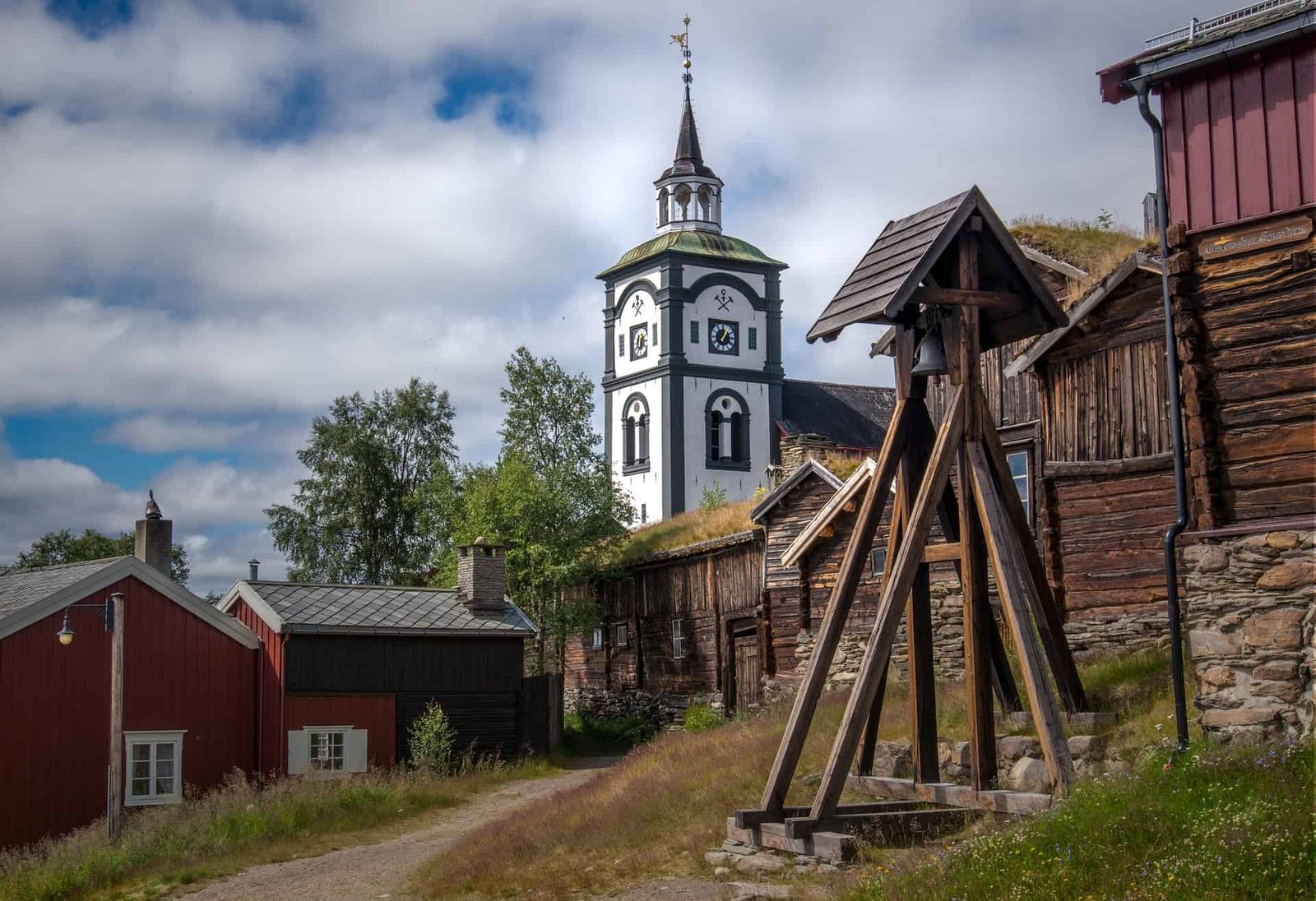
Røros sits inland, historically known for copper mining and well-preserved wooden architecture. It’s relatively small by Norwegian standards: expect a slower pace, local shops, seasonal tourism and a high value on neighbourly courtesy. For a visitor perspective, see the travel-focused post Røros -A Must Visit Destination, which highlights the features you’ll come to appreciate as a resident.
Housing and cost of living
Housing in Røros ranges from classic wooden apartments in town to detached houses in surrounding countryside. Renting is common before committing to purchase; buying as a foreigner is possible but check residency rules and financing options.
- Find rentals: local Facebook groups, municipal housing portals and regional brokers work best. Short-term stays (Airbnb or guesthouses) are useful while house-hunting.
- Utility costs: winter heating can be significant; ensure insulation and check whether electricity is included in rent. Wood heating and district heating are common.
- Budget tip: shop at regional supermarkets and use local markets; seasonal produce and preserved foods are staples that reduce costs.
Work, income and career paths
Jobs in Røros are often local — tourism, hospitality, public services, crafts and local industry. Remote working is a realistic option too: stable broadband makes telecommuting viable from many rural Norwegian towns.
- If you need a late-night city vibe occasionally (or gaming options), check larger-city listings such as Casinos in Norway for nearby entertainment options and practical travel plans.
- Finding work: leverage regional job sites, networking in town, and Norwegian-language profiles on LinkedIn or local staffing agencies.
- Tax and pay: Norway’s systems are transparent; set up a tax ID (skat) and understand monthly deductions — if you need a beginner’s guide to expat life beyond Røros, this A-Z Expat Life resource is a practical companion.
Practical services: health, bank and schooling
Healthcare
Norway’s public healthcare system covers registered residents; register with the municipality to access local clinics and emergency services. Røros has primary care; specialist appointments may require travel to a regional hospital.
Banking and money
Local banks provide everyday services; online banking is widely used. If you rely on transfers from abroad, set up a bank account early and compare fees for international payments. For a high-level perspective on how geopolitics can shape regional economics — potentially affecting transfers and residency policies — see an analysis of Belarus: modern political dynamics and international relations, which offers a model for understanding how politics affects mobility in the region.
Schooling and families
Families with children will find public kindergarten (barnehage) and primary schools in the region. Many Norwegian schools teach in Norwegian; some larger towns offer bilingual support. Enrol early and ask the municipality about integration services and language classes for children.
Transport and connectivity
Røros is well-connected by road and has rail links to larger cities. For frequent travellers, owning a car is convenient; otherwise, domestic buses and trains are reliable though schedules are sparser than in cities. Keep a flexible travel plan for winter weather.
Language, integration and daily life
Learning Norwegian
Basic Norwegian will make daily life much easier. Small-town residents appreciate even modest attempts to use Norwegian: shops, neighbours and bureaucratic offices respond warmly to effort. Local courses, municipal language cafés and online tutors are effective.
Community & culture
Røros has a rich cultural calendar: festivals, local markets and heritage events. Participating in volunteer organisations, local sports clubs or shared workshops is the fastest path to social integration. Respecting local rhythms (quiet hours, recycling rules, and direct but polite conversation) goes a long way.
Seasonal realities and wellbeing
Winter is long and deep here: plan for heating, insulation, winter tyres and daylight management. Summer brings long daylight and outdoor life — hiking, fishing and easy short trips. Protect your wellbeing with social routines, hobbies and community involvement.
Online & remote resources for expats
Practical online resources are vital when relocating. Use municipal portals for registration, the national immigration site for permits, and expat networks for peer support. The A-Z style resources linked earlier are ideal for newcomers seeking structured checklists.
Checklist: first 90 days in Røros
- Register with the municipality, get ID and tax number.
- Open a local bank account and set up online banking.
- Find short-term accommodation and begin house hunting for longer term.
- Register with a doctor and notify local services about arrival.
- Sign up for Norwegian lessons and community activities.
- Explore local networks: volunteer groups, sports clubs, and cultural organisations.
Final tips for thriving in Røros
Living in Røros is about balancing the practicalities of rural life with the rewards of a close community and beautiful environment. Be patient with bureaucracy, persistent with language learning and open to local traditions. If you keep curiosity and engagement at the core of your approach, Røros can be a rewarding home for expatriates seeking authenticity in Norway.
If you want deeper travel reads or local highlights while you plan, remember to consult guides on local attractions linked above and regional resources for broader political context and expat-life planning.