Tick-tock, another Christmas Day is quickly approaching, and it’s time to prepare for the festivities of eating, drinking, and decorating in Denmark. The country is already adorned with decorations, twinkling lights, and a sense of anticipation for Christmas 2023.
For newcomers arriving in November, the festive spirit is palpable as cities and residential areas are decked out in colorful décor. Families with young children are busy fulfilling wish lists for gifts, including the popular Christmas Calendar for kids. And in preparation for the holiday season, it’s essential to stock up on a variety of wines and beers for enjoyable gatherings at home.
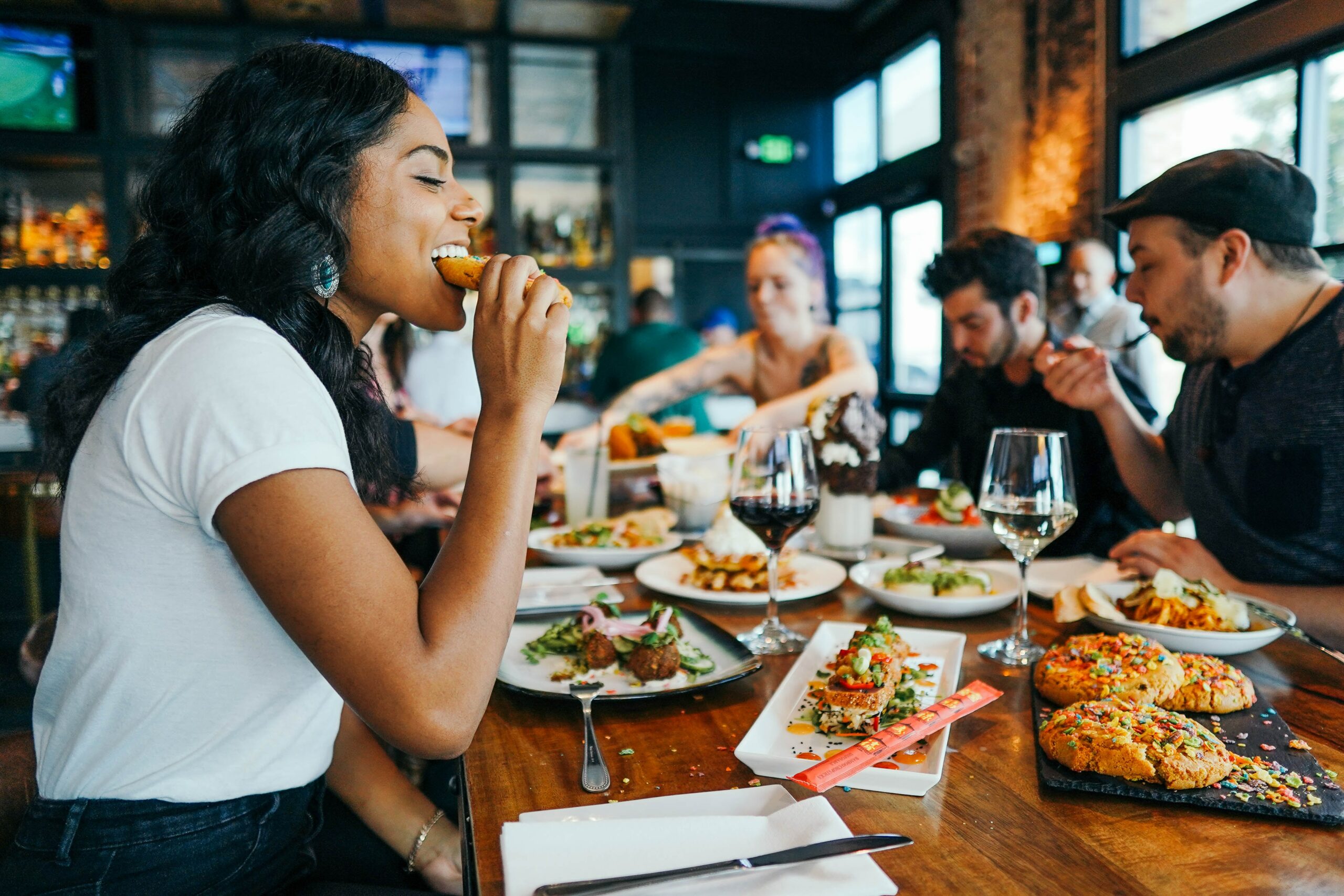
Beyond the decorations and excitement, eating, drinking, and partying take center stage during Christmas in Denmark. While some may opt to celebrate at home, many choose to dine out at their favorite restaurants with family or friends.
When it comes to dining out in Denmark, it may not be the norm for newcomers accustomed to cooking at home. However, with small family sizes in Denmark, dining out together is a common practice, especially during the holiday season. Whether you’re a short-term visitor or a long-term resident, exploring the diverse culinary offerings in Denmark is a must.
As immigrants adjust to life in Denmark, questions about local cuisine often arise. While it’s natural to bring familiar foods from home, embracing Danish dishes is essential for integration. Danish restaurants offer a blend of international flavors, providing a variety of culinary experiences for newcomers to enjoy.
Exploring Danish staple foods like pork, potatoes, herring, rye bread, and more is a great way to immerse yourself in the local culture. While initially unfamiliar, these foods gradually become a part of your palate as you adapt to Danish cuisine.
For those curious about Danish cuisine, here are 15 common foods worth trying:
– Herring
– Leverpostej
– Smorrebrod
– Flaskesteg
– Frikadeller
– Steg flesk med persillesovs
– Gode
– Biksemad
– Risengrod
– Lakrids
– Hakkebøf
– Rugbrød
– Dyrlægens natmad
– Syltede agurker
– Lutefisk
To learn more about these dishes, click here for detailed explanations and images.
In conclusion, while Danish foods may appear unconventional at first glance, embracing the local cuisine is key to fully experiencing the richness of Danish culinary traditions. By stepping out of your comfort zone and trying new foods, you’ll discover a world of flavors that will enhance your cultural integration in Denmark.