Welcome — a practical note for newcomers
Moving to Norway as an expatriate is as rewarding as it is challenging. This guide focuses on concrete, practical advice that helps you settle, build a social network and understand everyday systems — from housing and work to culture and local expectations. Wherever possible, I link to background reading and trusted resources so you can dig deeper.
Quick orientation: what to expect on arrival
First days matter. Expect efficient public services, a strong emphasis on work–life balance, and a cultural mix of reserved politeness and warm, rule-based friendliness. Prepare documents, open a bank account, and register with local authorities if your permit requires it. For newcomers curious about neighbourhood life and what to expect from people, read this primer on local culture in Norway — it highlights habits and norms that make everyday interactions easier.
Checklist for week one
- Register your address (if required) and obtain any permits.
- Open a local bank account and set up mobile banking.
- Find groceries, public transport options and basic healthcare locations.
- Join a local community group or expat forum to get real-time tips.
Housing and neighbourhoods
Housing in Norway varies from city apartments to wooden houses near fjords. Rents can be high in Oslo and Bergen; smaller cities and suburbs are usually more affordable. Prioritise proximity to public transport if you don’t plan to buy a car immediately. Ask landlords about utility charges and whether internet or electricity are included.
Work culture and how to find a job
Employment practices emphasise competence, punctuality and collaboration. Networking still matters — local meetups, professional associations and LinkedIn are useful. When you get interviews, be ready to discuss concrete results rather than long narratives. Norway recognises foreign credentials in many sectors but check specific licensing requirements for regulated professions.
Public services, healthcare and insurance
Norway’s public systems are robust. Once registered, you’ll be directed to relevant health services. Compare private insurance options if you prefer faster access for elective treatments. Keep copies of important medical documents translated into Norwegian or English if possible.
Practical everyday living
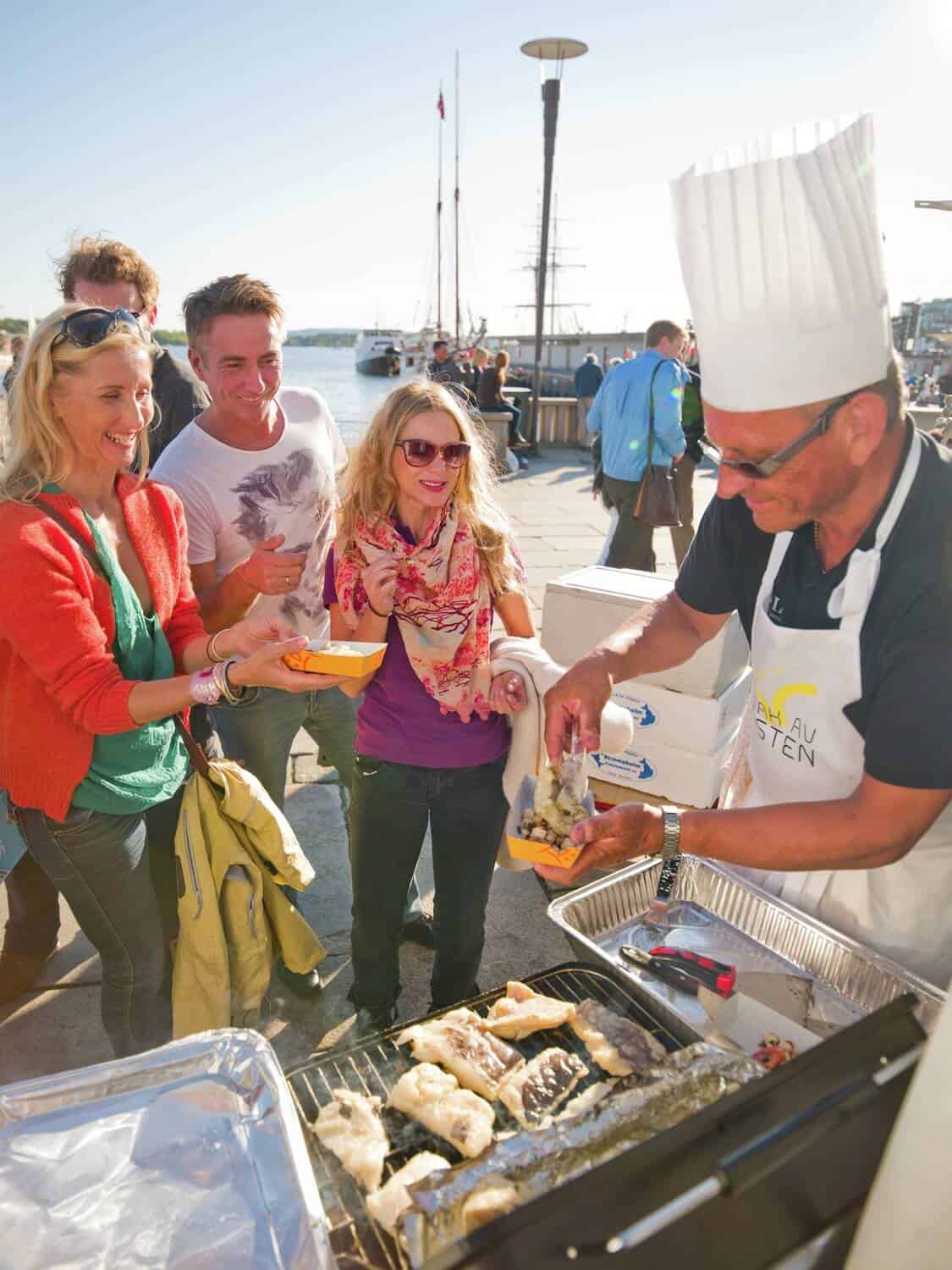
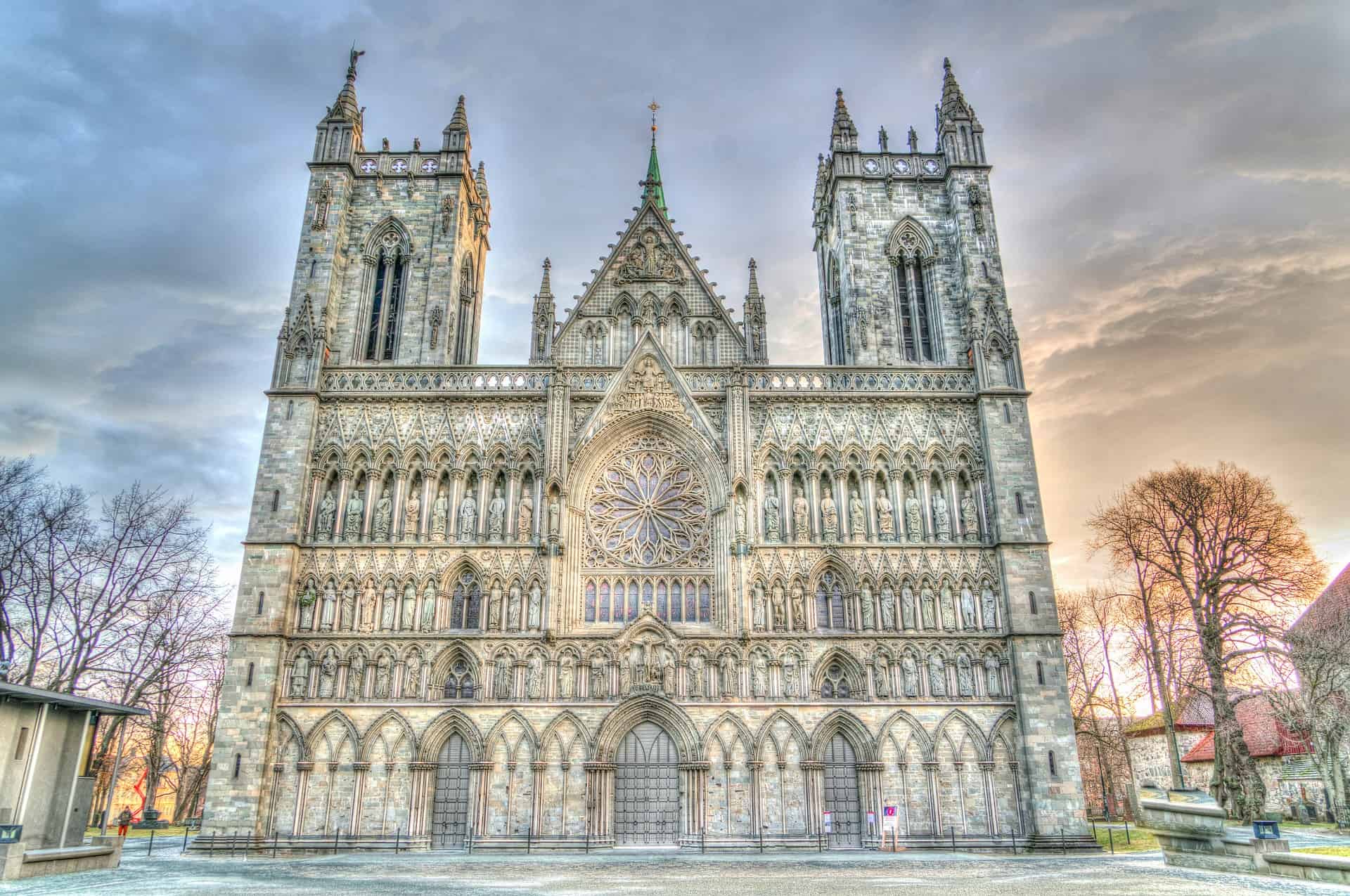
Public transport is reliable and widely used. Supermarkets offer both international and local brands; bakeries are cultural staples and worth exploring. Learn basic recycling rules — Norway is strict about sorting waste. Winters can be dark and cold: a warm coat, layered clothing and good walking shoes are essential. For cultural and historical excursions — especially if you love architecture — don’t miss a visit to classic heritage sites like the Heddal Stave Church, an iconic example of Norway’s wooden church tradition.
Small, sustained actions help you belong: join a sports club, volunteer, or enrol in a local language class. Norwegians value quiet reliability and will welcome initiative that fits community rhythms. Start by attending local events, then make one-on-one invitations — a coffee or a walk in a nearby park works well.
Understanding symbols of modern Norway
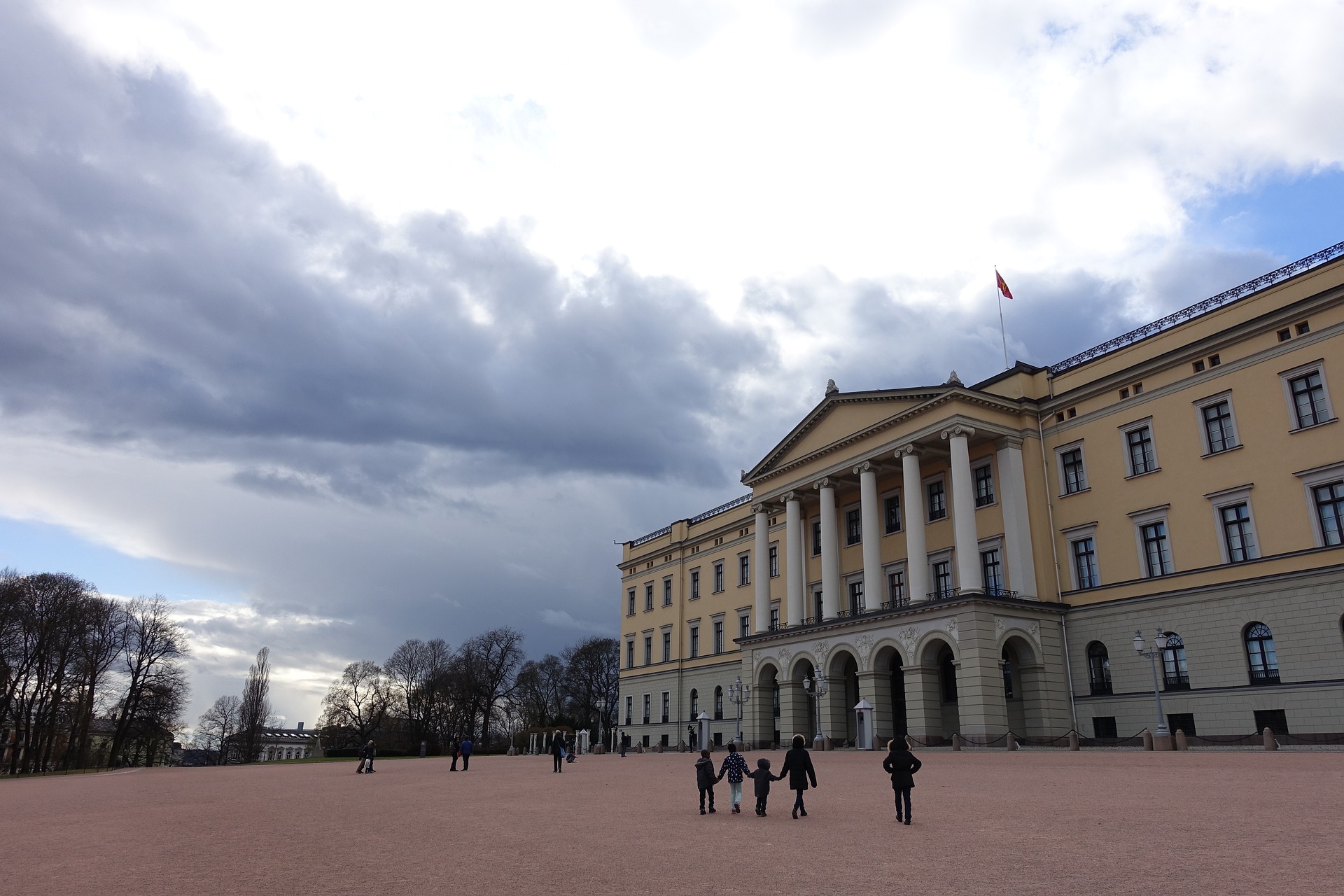
Monarchy and history still matter to many Norwegians. If you want a deeper biography of Norway’s contemporary monarchy and its role in public life, this detailed profile explores the head of state and public service continuity: All about the life and achievements of Harald V of Norway. Reading short, focused biographies helps you better understand ceremonial days and national celebrations.
Nightlife, leisure and regulations to watch
Norway mixes outdoors culture with safe, modern nightlife. If you enjoy gaming or online entertainment, stay aware of the regulatory environment: Europe-wide rules and responsibility initiatives are evolving and may affect payment options and account rules. For a clear explanation of regulatory developments and their implications for online platforms, see this article on how regulation and responsibility shape the future of online casinos in the EU. Being informed will help you understand what services are available and under what safeguards.
Language: how much Norwegian do you need?
English is widely spoken, but learning Norwegian boosts job prospects and social inclusion. Start with basic phrases, join a language café or an evening class, and use daily practice: train announcements, supermarket interactions and small talk at the office are perfect practice grounds.
Seasonal living: planning for light and dark
Norway’s seasons affect routines. Winters are long in the north; summers bring long daylight and outdoor festivals. Prepare mental strategies for darker months (routine, daylight exposure, social plans) and make the most of summer for travel and outdoor hobbies.
Local resources and next steps
In addition to official government sites and local municipal pages, expat-focused resources provide practical, lived advice. For a concise overview of the cultural rhythms and expectations you’ll meet in everyday life, this resource on local culture in Norway (also referenced earlier) is a helpful read when you want to understand etiquette, holidays and workplace norms.
Final practical tips
- Keep a short list of emergency contacts both digital and printed.
- Make a small calendar of civic dates — trash collection, school terms and local holidays.
- Get to know one neighbour quickly — that connection opens many practical doors.
Norway rewards patience, curiosity and practical preparation. This guide is designed to put you on a stable footing: prepare documents, learn local norms, and step into community life one small action at a time. Welcome — your Norway chapter can become a grounded, richly social experience.