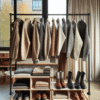
Moving to a Nordic country changes more than your address: it gently reshapes how you dress, how you furnish small spaces and how you present yourself in daily life. Scandinavian styling is valued for its calm minimalism, climate-smart layers and efficient use of compact homes. This guide helps expatriates translate that aesthetic into practical choices—wardrobe, home accents and local shopping habits—without losing personal identity.
Adopt a few simple principles and you’ll fit the practical elegance you see on Scandinavian streets and in interiors:
- Function first: Fabrics and pieces that protect against wind, rain and cold come before trends.
- Neutral palette: A base of muted tones — warm greys, deep navy, soft beige — makes mixing and layering easy.
- Quality over quantity: Fewer, better items last longer and reduce decision fatigue.
- Clean lines and natural materials: Wood, wool, and leather anchor both closets and homes.
Styling tip
Think in layers rather than single looks: a merino base, a wool mid-layer, and a waterproof outer layer will keep you comfortable across a typical Scandinavian day.
Building a minimalist, climate-smart wardrobe
Start with the essentials and adapt to seasons. Below is a compact checklist for newcomers:
- Breathable base layers (merino or technical blends)
- Mid-weight wool sweater (preferably in a neutral color)
- Waterproof shell or trench with a good hood
- Insulating jacket (down or synthetic for cold months)
- Sturdy, waterproof boots and a comfortable sneaker
- A compact umbrella and quick-dry scarf
With those items you can create many combinations appropriate for work, bikes and weekends exploring coastal towns.
Nordic interiors favor light, uncluttered rooms that feel cozy yet functional — the infamous hygge vibe. Practical touches make small spaces stylish:
- Use vertical storage and simple cabinetry to keep surfaces clear.
- Select a few tactile textiles (wool throw, linen cushions) for warmth.
- Choose multipurpose furniture: benches with storage, foldable dining tables.
When you arrive, observe how local bakeries, markets and indoor-outdoor habits shape everyday design: a simple coat hook by the door, a mat for wet boots, and a compact coffee corner reflect daily life. If you want to read how food culture anchors daily routines in Denmark, check this piece Bakeries Mean so much in the life of a Dane for context on why a good breadboard often sits on an otherwise minimalist countertop.
Where to source Nordic-styled items
Expats benefit from mixing local small brands with second-hand finds and online sourcing. For everyday bargains and vintage pieces consider exploring Online Marketplaces for people in Denmark which collects local marketplaces, resellers and community groups that help you settle in without overspending.
Thrift and sustainability
Second-hand shopping is mainstream across the Nordics and often yields high-quality coats and wool jumpers for a fraction of the new price. This is not just styling — it’s a sustainable way to build a resilient wardrobe while meeting locals.
Styling with children and practicality
If you move with kids, priorities shift toward safe, durable and comfortable items. For outdoor family days at beaches or fjords, the right child-friendly seat and gear matter. Learn more about how to choose safe beach chairs for children — the article focuses on safety, comfort and practical materials suitable for coastal climates, and this thinking applies to children’s outerwear and sun protection in Nordic summers.
Separate your wardrobe into three flexible capsules:
- Work capsule — neutral blazer, tailored trousers, minimal shoes.
- Social capsule — elevated knit, dark denim, a statement accessory.
- Outdoor capsule — waterproof layers, thermal mid-layers, sturdy boots.
Rotate items across capsules to remain efficient about packing for trips, commuting by bike and attending casual family gatherings.
Local voice and expat writing insights
To capture the tone of local expat communities — useful when styling a personal blog, social page or simply exchanging tips — it helps to read conversations that unpack lived experience. This Expatriates writing style discussion is a helpful model for understanding how practical, personal narratives resonate with newcomers: clear, honest and service-minded writing often builds trust in expat circles.
Packing and transitions: style that travels
When you arrive, you’ll likely adapt faster if you travel light and buy key seasonal items locally. Pack versatile base pieces and plan to invest in one good outer layer and proper footwear once you know your new city’s micro-climate. Prioritize items that:
- Compress easily into luggage
- Layer without bulk
- Are neutral enough to match many outfits
Final checklist for stylish settling
- Create a 20-item core wardrobe and build outward.
- Buy one local outer layer and one pair of waterproof boots on arrival.
- Use local marketplaces and second-hand shops for sustainable, affordable finds.
- Adapt your home with simple storage and a white/light wood palette.
- Write about your experiences in a practical, conversational tone to connect with other expats.
Scandinavian styling is less about fashion slogs and more about calm, practical choices that respect climate, space and community. Start with durability, aim for simplicity, and let local daily life — cafés, bread culture and neighborhood marketplaces — refine your approach. If you keep the practical principles above in mind, your style will feel local while remaining uniquely yours.