Why Norway’s attractions matter to expats
Moving to Norway is more than a change of address: it opens daily access to dramatic fjords, coastal towns, modern cities and a nature-first lifestyle. For expatriates building a home here, knowing which places to visit, how seasons affect access, and what practical arrangements to make will help you feel grounded fast. This guide focuses on attractions with expat-friendly practicalities, local context and seasonal notes so you can plan escapes, family days and weekend adventures without stress.
Top practical tips before you go
Before setting out to explore, take a few simple steps that keep trips smooth:
- Check public transport timetables and book ferries early for summer weekends.
- Use local travel resources for reliable recommendations; a concise list of travel tips A-Z is an excellent starting point for logistics, tickets and seasonal advice.
- Pack layers and waterproofs even in summer—the weather changes fast near the coast and in mountain areas.
- Carry a charged phone, local bank card and a small paper map for remote hikes.
Seasonal highlights: when to visit what
Spring and early summer
Roads reopen after winter, waterfalls are loudest and the countryside bursts into green. This is ideal for coastal drives, waterfalls and smaller fjord hikes before the peak tourist season.
Summer (long days)
Midnight sun in the north, extended daylight for long hikes and cultural festivals in towns. Reserve popular rail journeys and ferry trips in advance.
Autumn
Fewer visitors, spectacular fall colours and quiet coastal towns. It’s a great season for photography and short, local hikes.
Winter
Winter is for northern lights, alpine skiing and the charm of snow-covered wooden towns. Winter driving and ferry schedules require extra planning—stick to main roads and check closures.
Local experiences newcomers should try
Some experiences feel particularly local and help you connect with Norwegian life:
- Eat at a seaside fish market in a port town and try regional seafood.
- Join a guided hike with a local guide to learn about terrain and safety.
- Visit cultural museums in cities — they frequently offer audio guides in English and practical context about modern Norway.
- Learn about iconic Norwegian life and nature — including breeds and wildlife; for cat lovers, the Norwegian Forest Cat is an iconic part of local culture and often appears in home and community life across Norway.
Regional picks for busy expats (short escapes)
If you only have a weekend, choose attractions near your base. Cities and regions each offer a different pace:
- Oslo — museums, waterfront walks, and short ferry hops to islands for day outings.
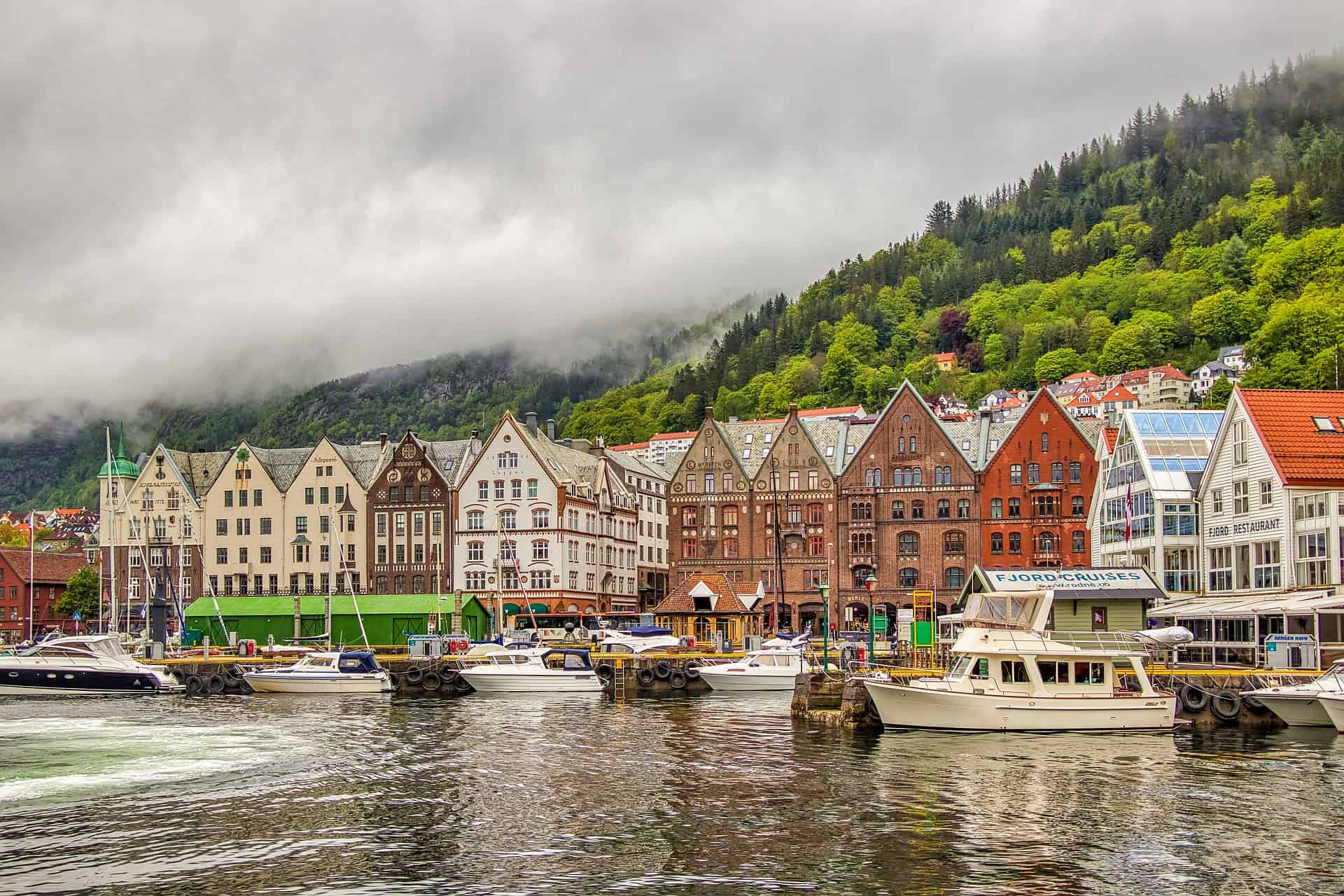
- Bergen — gateway to fjords and a compact old wharf area that’s easy to explore after work hours.
- Trondheim — cathedral city with accessible nature nearby for quick hikes.
- North Norway — for aurora chases and dramatic coastal scenery (plan smart for winter travel).
For a curated selection of locations hand-picked for expatriates, see this broader overview of Top Norwegian Attractions for Expats: Practical, Local & Seasonal — it pairs sites with practical how-to notes that help you make the most of shorter visits.
Practical logistics at attractions
Many popular sites in Norway require a little advance thinking:
- Book national park parking or visitor slots early for summer weekends.
- Bring a local payment method—cards are universally accepted, but some small vendors prefer contactless or local apps.
- Download offline maps and note emergency numbers; rural coverage can be patchy.
Responsible and local-minded visiting
Norwegians value the outdoors and expect visitors to treat places with care. Follow simple rules: pack out what you carry in, respect grazing land, and follow marked trails. Small gestures—learning a few phrases, respecting quiet hours in villages—go a long way in integrating with local communities.
Before you move: declutter and practical sales
When preparing a long move, expatriates often sell or recycle items. If you choose to sell precious metals or jewellery before relocating, an option used locally is the gullbrev gold certificate approach for secure transactions and postal handling. Research reputable buyers and read terms carefully; secure, insured options reduce risk when you need cash for relocation expenses.
Health, safety and etiquette at attractions
- Check basic health cover for outdoor activities; travel insurance that includes rescue in mountain areas is recommended.
- Carry layers and footwear suitable for trails—many injuries stem from underestimating terrain.
- Respect local customs: Norwegians appreciate punctuality for tours and quiet at cultural sites.
Simple packing checklist for short escapes
- Waterproof shell and warm mid-layer
- Sturdy walking shoes
- Reusable water bottle and snack bars
- Charged phone with offline maps and emergency contacts
- Local cash and card (cards usually preferred)
Final practical notes for expat life and attractions
Attractions in Norway reward planning and curiosity. Keep seasons in mind, rely on trusted local resources like the travel tips A-Z for up-to-date transport and visitor advice, and approach each visit with a respectful, sustainable attitude. With that mindset you’ll turn short breaks into meaningful local connections and create a balanced expatriate life that mixes work, daily routine and unforgettable regional escapes.
Ready to explore? Pack sensibly, plan for weather swings and use local resources to enjoy Norway’s attractions safely and respectfully — and don’t forget to leave a morning for a slow coastal coffee at a small harbour town near you.