Welcome to Ribe — why expats choose this small Danish town
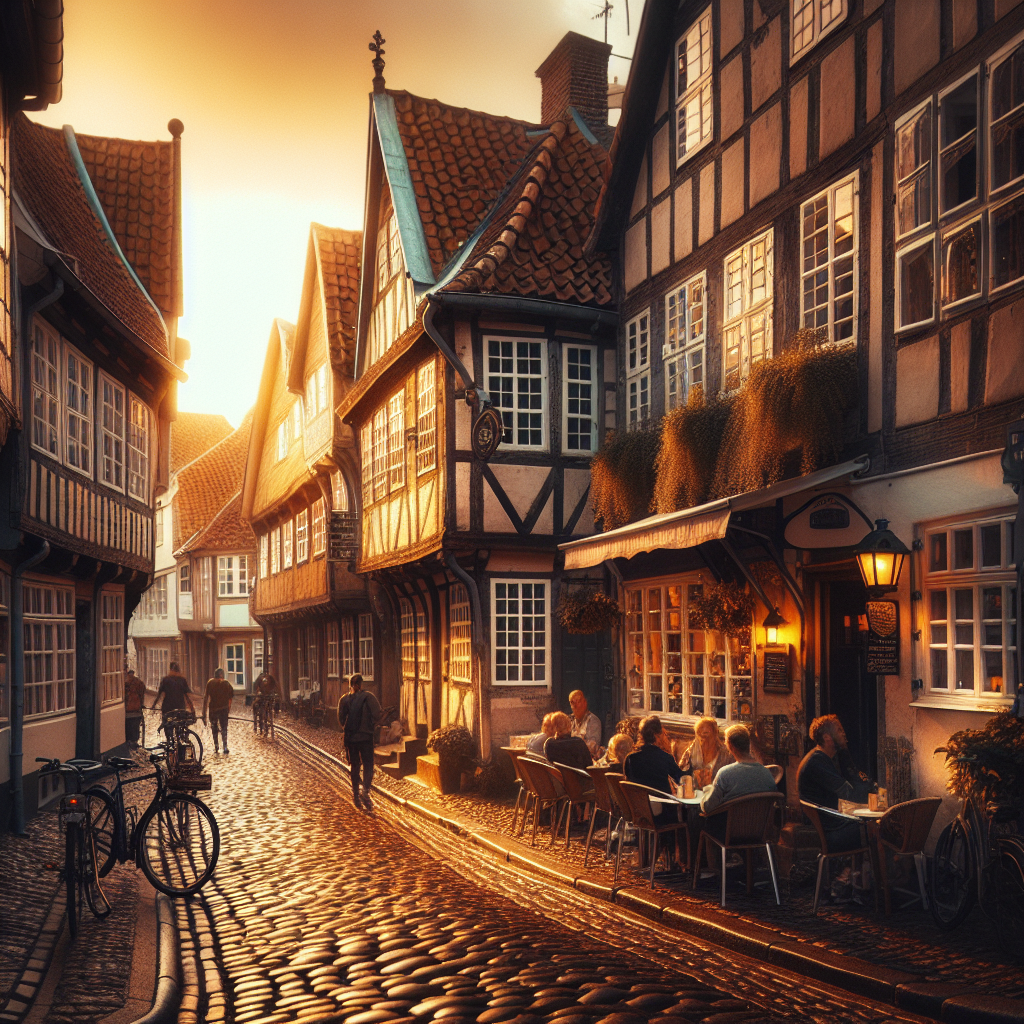
Ribe is often called Denmark’s oldest town for good reason: cobbled streets, well-preserved medieval houses and a compact, friendly centre. For expatriates who prefer a slower, local pace while staying connected to Denmark’s services and transport links, Ribe is a compelling choice. This guide explains what to expect, how to settle, and practical ways to thrive as an expat in Ribe.
What to expect on arrival
Ribe is compact: you can walk most errands and meet neighbours in cafés and small shops. Basic Danish municipal services are efficient, but the local rhythm is quieter than Copenhagen or Aarhus. Expect warm community ties, seasonal events, and a focus on outdoor activities. If you need a larger transport hub or work opportunities, nearby towns link well by train and road.
First practical steps
- Register with the local municipality and secure your CPR number if you plan to stay long-term.
- Open a Danish bank account — many tasks require local banking.
- Get a local phone plan and learn how municipal services (waste, utilities) operate.
- Find a family doctor (praktiserende læge) early — practices can have waiting lists.
Housing: where expats find homes in Ribe
Housing in Ribe ranges from renovated historic apartments near the cathedral to modern family homes on the town’s edges. Rental listings move fast for well-priced, well-located properties. When viewing properties, ask about heating systems and insulation — essentials for efficient living in Denmark’s cooler months.
Neighborhoods and affordability
Expect better value than Denmark’s big cities, but the best apartments in the centre are in high demand. If you need more space or quieter surroundings, explore the outskirts or neighbouring villages where family houses are more affordable.
Work, commuting and local economy
Ribe’s local economy is driven by tourism, small manufacturers, agriculture and services. Many expats combine local employment with remote work. If you need a broader job market or airports, check connections to larger centres.
Day trips & transport links
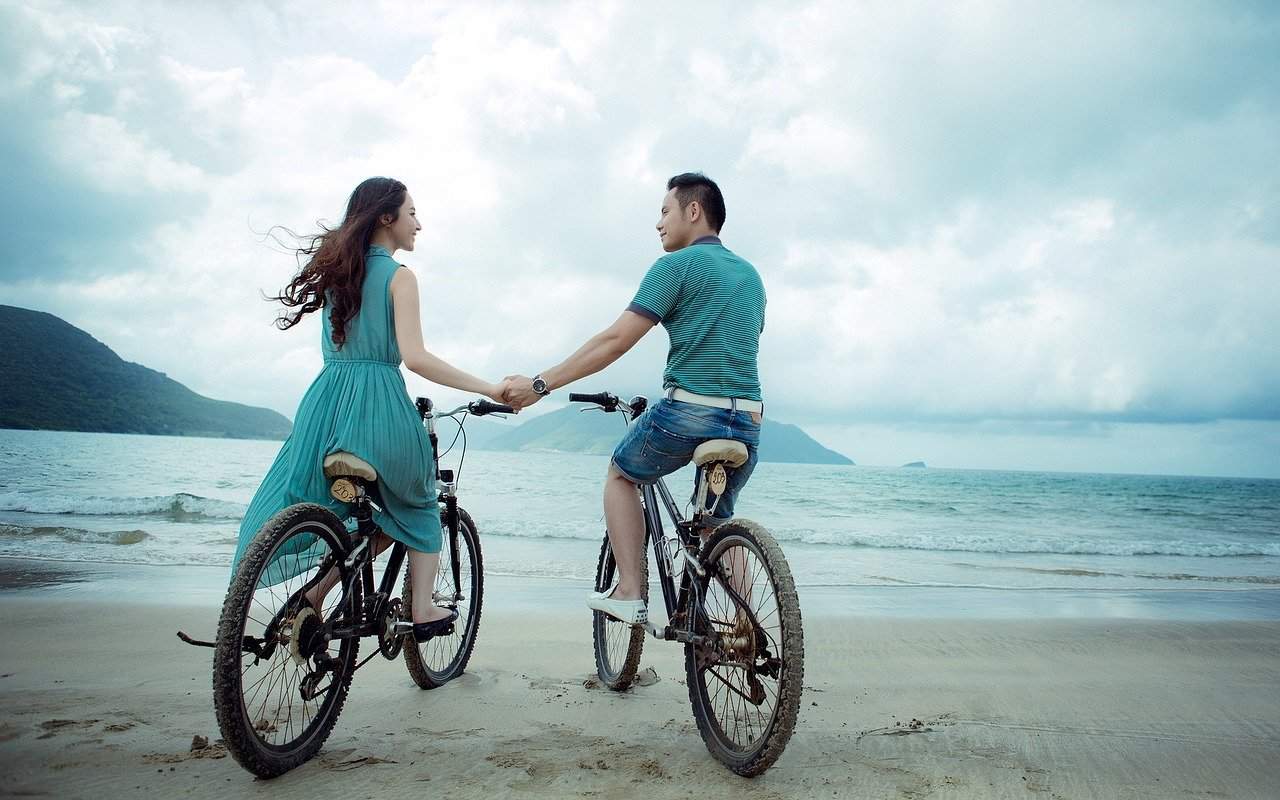
Ribe’s size makes it easy to explore the southwest Jutland region. For pleasant coastal towns and ferry options, consider day trips to nearby ports. If you plan scenic rides and regional cycling, see our guide to Bicycle vacation in Denmark to plan routes, logistics and seasonal considerations. For a larger commercial hub an easy drive away, the port city of Esbjerg, Denmark offers expanded services, shopping and transport connections.
Family life, schools and children
Ribe offers local kindergartens and primary schools with a welcoming vibe. International families often choose a bilingual approach: local nursery or folkeskole for integration and home language practice for children.
Practical parenting resources
Parents moving with children benefit from practical guides that explain schooling, social expectations and family-life adjustments. For a broad orientation on raising children abroad, the A-Z expat life resource offers parenting perspectives and checklists that many families find helpful when planning school, healthcare and leisure for children.
Seasonal living and wellbeing
Ribe’s coastal climate is temperate but darker winters and long twilight can feel different to newcomers. Establishing routines helps wellbeing: consistent wake and sleep times, outdoor daylight exposure, and social plans. For practical advice on keeping daily rhythm and mental balance through Nordic winters, this guide to keeping a normal schedule during winter in the Nordic region is a very useful read.
Outdoor culture
- Take advantage of local walking paths and coastal trails — daily light matters.
- Layered clothing and high-quality rain gear are essential for year-round comfort.
- Local clubs (sports, rowing, choirs) are a great way to meet people and learn Danish customs.
Cultural integration and everyday tips
Ribe’s local culture values politeness, punctuality and modesty. Small courtesies — greeting shopkeepers, recycling correctly, and learning basic Danish — go a long way. Attend town events and markets to meet locals and integrate faster.
While many Danes speak strong English, learning Danish helps with social depth and local bureaucracy. Join community classes or language cafés to meet others learning the language.
Checklist: first 30 days in Ribe
- Complete municipal registration and health insurance steps.
- Secure housing, set up utilities and test heating controls.
- Open a bank account and sign up for a local SIM plan.
- Register children at school or childcare and meet teachers.
- Find a local doctor and dentist; book initial appointments.
- Join local groups (sports, arts, volunteer) to build a social circle.
Practical day trips and local exploration
Weekend trips from Ribe are easy: coastal drives, nature reserves, and nearby cultural towns. Renting a bicycle or planning a multi-day cycle route is a Danish favourite — see cycling tips in our link above for inspiration. If you need a larger city visit for shopping or flights, check schedules to regional hubs and the short drive to larger ports.
Final advice for new expats
Ribe rewards patience and curiosity. Its scale makes day-to-day life calmer, while Denmark’s systems ensure access to services. Bring a spirit of local respect, learn some Danish phrases, build routines for darker months, and connect with fellow expats and neighbours. Small steps — a weekly market visit, a language class, a ride along the coast — turn a temporary stay into a life you’ll cherish.
If you plan to explore Denmark by bike or need a larger transport hub for occasional travel, use the cycling and regional hub links above to plan smartly before you move.